
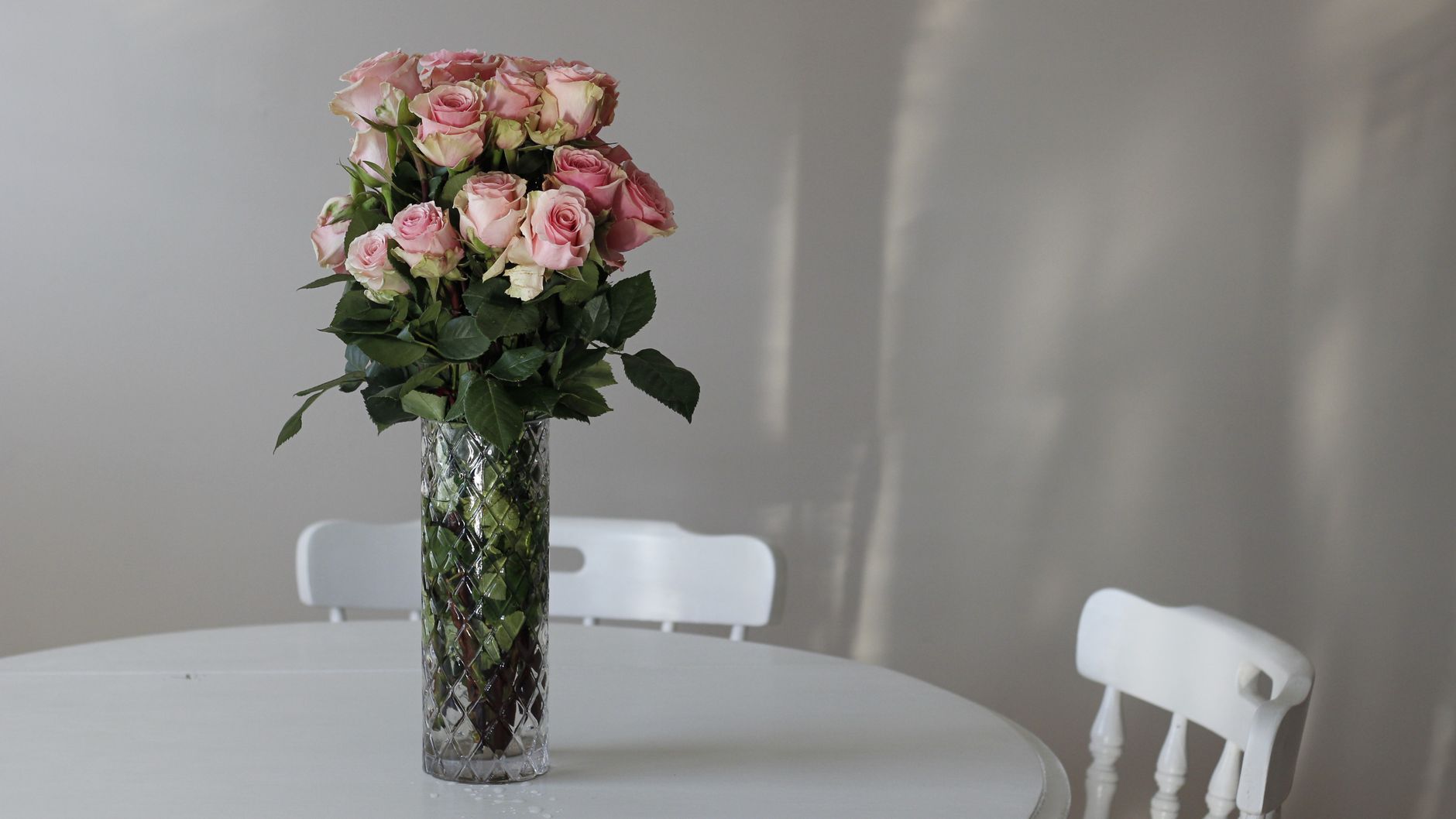
October is Breast Cancer Awareness Month, and this is a florist writing an unusual sentence: if someone you love is in active cancer treatment, flowers may not be the right gift, and the kindest thing you can do is ask first. We would rather tell you that than take an order that ends up turned away at a hospital door, or one that makes a person feel worse on a day they already feel bad.
That does not mean flowers have no place in a cancer story. They have several, and we will get to them. But first, the honest part.
A note: we are florists, not medical professionals. This guide is general information, drawn in part from published guidance by cancer centers. It is not medical advice. The patient’s care team and family know their situation best, and their word beats ours.
⚠️ Why Flowers Are Not Always the Answer
Cancer treatment changes the body in ways that make ordinary things complicated. Three issues come up again and again:
- Infection risk. Fresh flowers and plants can carry fungal spores, and some treatments leave the immune system weakened. Roswell Park Comprehensive Cancer Center, in its gift guide for the friends and family of patients, advises against flowers and plants for this reason, noting a higher risk for transplant and cellular-therapy patients in particular. Some hospital units simply do not accept them.
- Changes to the sense of smell. Chemotherapy and radiation can alter smell, so scents that are normally pleasant can become overwhelming or cause nausea. A room full of flowers that would delight you can be hard to be in for someone in treatment.
- Unit rules. Some critical-care and specialty units restrict flowers. We covered how this works in our guides to sending flowers to RiverBend and to get-well flowers for the hospital and the home.
The same guidance notes a quieter problem: for some people, a vase of flowers that wilts is one more reminder of what they are going through. None of this is true for every patient, and a person who is well between treatments at home is in a very different position from one in a hospital bed. That is why asking is better than guessing.
❓ Three Questions to Ask Before You Order
- Where are they? A hospital unit, a clinic, or home? Hospitals and treatment units set their own rules, and a home is usually more flexible.
- Are they in active treatment right now? If their immune system is low, or they have had a transplant, the care team may say no to fresh flowers entirely.
- How are they with scent? If the answer is “not great right now,” choose something unscented, or send something that is not a flower.
The best person to ask is the patient, if you are close, or a family member or caregiver if you are not. If you are ordering from us and are unsure, tell us the situation and we will tell you honestly whether flowers sound like a good idea.
🎁 What to Send Instead
When flowers are a no, there is still a lot you can do. These ideas come from cancer-center gift guidance and from what we have seen work:
- A “thinking of you” card or a handwritten note. Cost nothing, mean a lot, and can be reread on a hard day.
- Handmade paper flowers or silk flowers. All the color, none of the risk.
- Unscented lotion and lip balm. Dry skin and lips are common side effects of chemotherapy. Make sure the product is unscented.
- Something soft and warm. A blanket, a hat, or warm socks, especially for a long treatment day in a cold room.
- A light distraction. A funny movie, a magazine, or an audiobook subscription for the hours spent in a chair.
- A grocery gift card or a meal. Many patients have dietary restrictions or changing tastes, so a gift card or a dinner you have cleared with the family is often more welcome than a box of sweets.
- A framed photo. Of the people and places they love.
🌷 When Flowers Are Exactly Right
Once you step back from the treatment room, flowers fit in several places:
- For the caregiver. The spouse, daughter, or friend who is driving to every appointment and sleeping badly is often the person nobody is sending anything to. A bouquet at their home, with a card that says “this is for you,” can mean the world. Our thank-you flowers page is a good place to start.
- For the household. When the patient is home and the family says fresh flowers are fine, a simple, low-scent arrangement can make a house feel less like a clinic.
- At the end of treatment. Many cancer centers have a bell, a ceremony, or a last-day tradition. Flowers delivered to the home to mark the day are a joyful way to celebrate it.
- For milestones after. A clear scan, a year since the last treatment, a return to work. These are the days that often go unmarked.
- To remember someone. If the person you are thinking of has died, our page on sympathy flowers can help, and so can our guide to the funeral homes of Eugene and Springfield.
🌸 Choosing Flowers When the Answer Is Yes
- Keep the scent low. Our guide to the least fragrant flowers is a good reference. Roses, alstroemeria, snapdragons, and greenery-forward designs are safer than lilies, stock, or hyacinth.
- Choose cut flowers, not potted plants. Plants bring soil, which is exactly what some care teams want to avoid.
- Pink is lovely in October, especially for an office, a gathering, or a survivor’s celebration. Pink roses, carnations, and soft pink mixed bouquets suit the month, and nobody needs a ribbon to enjoy them.
- Follow the care team. If they say no flowers, take the no gracefully.
We deliver to PeaceHealth RiverBend, McKenzie-Willamette, and homes across Eugene, Springfield, and Lane County. If a unit cannot accept flowers, ask us about sending them to the family’s home instead.
✍️ What to Write on the Card
People worry about the words more than the gift. Some guidelines that many patients appreciate:
- Keep it simple. “Thinking of you.” “I’m here.” “No need to reply.”
- Be specific about help. “I’m dropping off dinner Thursday” is easier to accept than “let me know if you need anything.”
- Think twice about “get well soon.” Cancer-center guidance points out that the phrase can remind patients of the long course of treatment ahead. A plain “thinking of you” avoids that.
- Skip the advice and the silver linings. Listening and showing up beat explaining.
💝 The Short Version
Ask first. If flowers are a no, send a card, something soft, or a meal. If flowers are a yes, keep them unscented and cut. And do not forget the caregiver, who needs the kindness as much as the patient does.