Mid-November in Eugene is a good time to be in the garden. The summer rush is long over, the soil is damp and easy to dig, and the rain has not yet turned everything to soup. It is also the last comfortable stretch for planting the bulbs that bloom in March, April and May. This guide is a two-part plan: a short to-do list to put the garden to bed, and then a closer look at bulbs, since that is the job that pays you back with flowers.
We spend our days on cut flowers, so we are always watching what the garden does. If you missed our earlier piece on what to cut before the first frost, this is the next chapter.
🍂 Part One: The Fall Garden To-Do List
You do not need to do everything on this list in one weekend. Pick two or three jobs per dry afternoon and the garden will be ready well before the deep winter rains.
🍃 Leave the Leaves, With One Exception
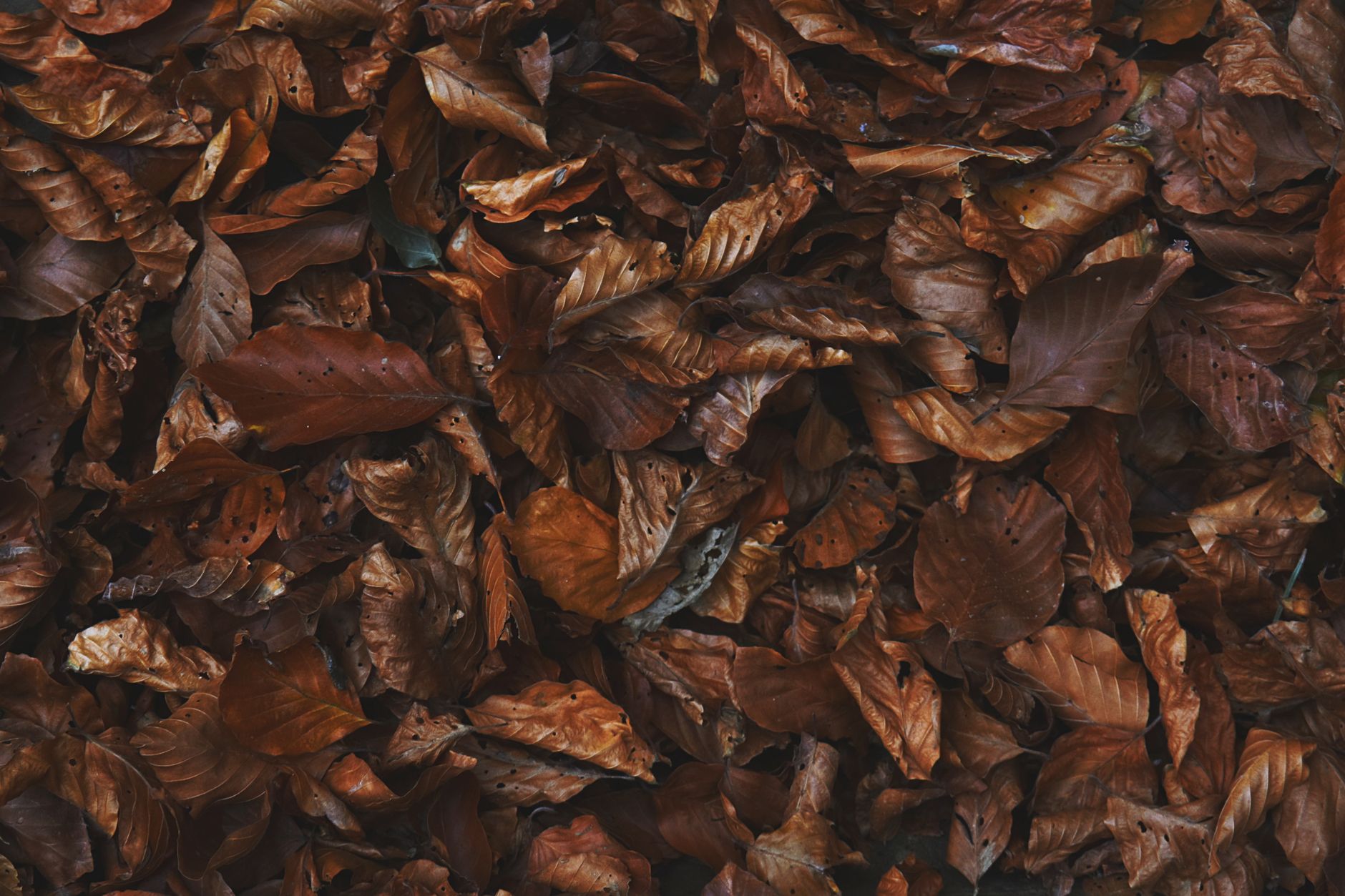
Fallen leaves are free mulch. They protect soil from the pounding of winter rain, suppress weeds, and break down into fertile soil. They also shelter beetles, bumblebees and the eggs and pupae of moths and butterflies through the cold months. If you have maples, oaks or other broadleaf trees, let the leaves lie where they fall or rake them onto your garden beds.
The exception is fruit trees. In the Pacific Northwest, fungi and insect pests can overwinter on fallen fruit-tree leaves and on any fruit left on the ground. Rake those up and dispose of them, or compost them hot, in a pile that reaches 130 to 135 degrees, before putting the result back on the garden.
🧹 Clean Up Annual Beds, but Not Too Tidily
- Pull spent annuals and remove any diseased plant material. Diseased leaves and stems can carry problems over to next year, so keep them out of the compost pile.
- Compost the healthy material along with kitchen vegetable and fruit scraps.
- Top the bed with compost or well-rotted manure. It feeds the soil and keeps winter weeds down.
- Weed-proof with cardboard. A layer of newspaper or cardboard covered with mulch discourages winter and spring weeds. It is also the easy way to turn a patch of lawn into a new flower bed, since the grass dies under it and the cardboard breaks down into the soil.
🌹 Protect What Is Tender
- Mulch the roots of roses, azaleas, rhododendrons and berries for winter protection.
- Trim or stake tall, bushy perennials so winter wind does not whip them around and break them.
- Dig and store tender tubers and corms such as dahlias, tuberous begonias, geraniums and gladiolas, and keep them somewhere cool and frost-free until spring. Our dahlia guide explains why we love them so much.
- Drain or blow out irrigation lines and insulate the valves before a hard freeze.
🧄 Plant Garlic, Trees and Shrubs
Fall is also planting season for things that are not bulbs in the flower-bed sense. Garlic cloves go in now for a harvest next summer. Ground covers, trees and shrubs also settle in well while the soil is moist and the air is cool, so they have time to root before summer.
🔧 Take Care of Your Tools
Before you stash the gear, clean, sharpen and oil your pruners, shovels and trowels so they do not rust through the wet months. Store fertilizers and garden supplies somewhere dry and well out of reach of children and pets. A small afternoon of tool care makes the first day of spring gardening much more pleasant.
🛒 Where to Shop and Learn Locally
Eugene and Springfield have good local sources for all of this. Gray’s Garden Centers, a local retail nursery with Eugene and Springfield locations, specializes in locally grown plants and has a staff who like to talk plants. Jerry’s Home Improvement Center, a locally owned Eugene store, is a useful stop for tools and garden-project supplies. If you like to plan ahead, the Good Earth Home, Garden & Living Show at the Lane Events Center is scheduled for January 15 to 17, 2027, and is a pleasant way to get through the gray middle of winter while thinking about spring. Call before you go to confirm what is in stock.
🌷 Part Two: Planting Spring Bulbs in Eugene
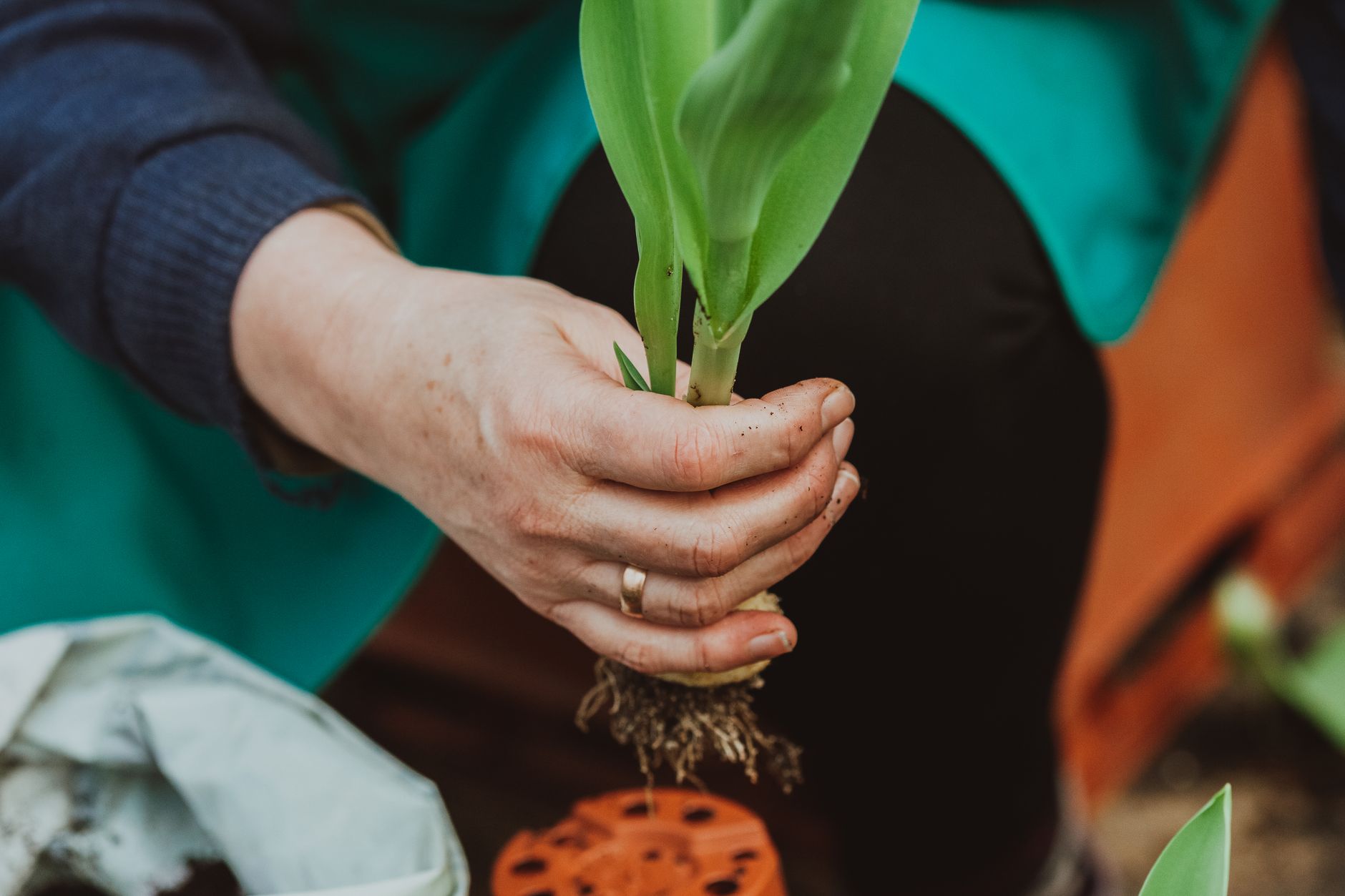
Now for the best job on the list. Spring-flowering bulbs go in the ground in fall, grow roots over the winter, bloom in spring and then go dormant for summer. Because they sleep through our dry summers, they need almost no watering once established.
📅 Is It Too Late?
Not yet. Oregon State University Extension horticulturists say that in most of Western Oregon, October and November are the ideal months for planting bulbs, and that bulbs can go in as late as mid-December if the soil is still workable. So a mid-November weekend in Eugene is still well within the window. The bulbs need time to put down roots before they push up flowers, so do not let the pile of bags sit in the garage until Christmas.
🛍 Choosing Good Bulbs
- Buy big and firm. The bigger the bulb, the bigger the bloom.
- Skip any bulb with mold or soft spots. Those are signs of rot.
- Plant soon. If something delays you, keep the bulbs in a cool, dim place such as an unlit garage.
- Plan for a long show. Mix early, mid and late varieties so something is in bloom from March through May.
⛏ How to Plant Them
- Pick a sunny spot with good drainage. Bulbs rot where water pools in winter, and Western Oregon is wet. Raised beds or a gentle berm help a great deal in heavy clay soil.
- Dig a hole big enough for a group, not one hole per bulb. Clusters look natural and give you a mass of color.
- Go three times as deep as the bulb is wide, or follow the depth on the package.
- Add compost, well-rotted manure or mulch to the bottom of the hole.
- Set the bulb pointed end up, then cover it with soil and water it in.
- Fertilizer is optional. If you want to use it, choose superphosphate or a low-strength fertilizer labeled for bulbs, and apply it at planting time.
If you have a dog that digs, remember that daffodil and tulip bulbs are poisonous to pets. Plant them where they will not be dug up and chewed, or in pots on a raised surface.
🌼 Which Bulbs Make Good Cut Flowers?
This is where the florist in us comes out. If you plant a patch of bulbs just for the vase, here is what we would put in the ground:
- Tulips. The classic cut flower. They keep growing in the vase, stretching and bending toward the light, which gives bouquets a loose, natural shape. Species tulips are shorter, hardier and longer lasting than the big hybrids, and they self-seed and naturalize, giving years of bloom.
- Daffodils. Reliable in our climate and cheerful in a pitcher. Daffodils release a sap that can shorten the life of other flowers, so give them their own vase, or let them sit alone in water for a few hours before mixing them into an arrangement.
- Hyacinths. Sweetly scented, with a strong form. A few stems perfume a whole room.
- Alliums. Globe-shaped flowers in purple, pink, blue or occasionally white. They range from large ‘Globemaster’ blooms to tiny one-inch drumstick types, and they are deer resistant.
- Grecian windflower (Anemone blanda). Delicate star-shaped flowers in blue, white or pink. Blue is a lovely contrast to yellow daffodils.
- Fritillaria. Crown imperial has orange or yellow bells hanging from stems up to five feet tall. The smaller native checker lily has dark purple flowers spotted with yellow. Fawn lily, an Oregon native wildflower, likes shade and suits a woodland corner.
🌱 After the Bloom
You do not need to dig bulbs up after they flower. Cut off the spent flowers so the plant does not put energy into seed, and then let the leaves turn brown and die back naturally. That is how the bulb recharges for next year, so resist the urge to tidy them away early. Plant bulbs near ferns, hostas or perennials that fill in as the foliage fades.
🌷 Seeing the Payoff
The bulbs you plant this month are the ones that bloom in the weeks we write about in what is blooming in Eugene in late March and the flowers you might clip for your own garden bouquet. Come spring, the Owen Rose Garden is another great place to take notes for next year’s planting plans.
A last tip from the shop: plant a small patch near a window you look at every day. Having a clump of daffodils in sight on a gray February morning is worth every minute spent in the cold mud this month.