
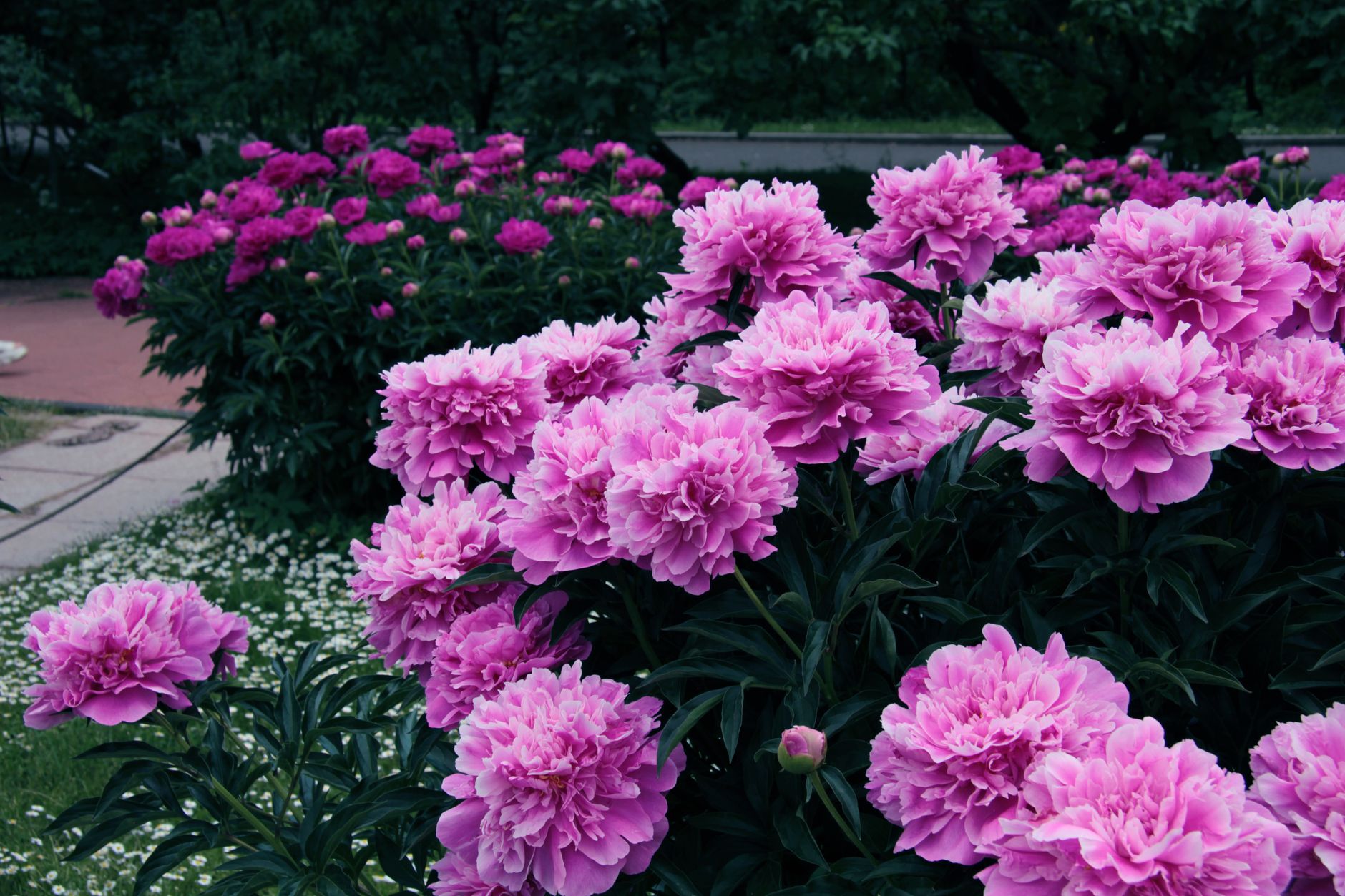
Every year it happens. Three weeks of absolute glory — fat, fragrant, impossibly lush blooms filling every bucket in the shop — and then nothing. Gone. Done. See you next May.
We know it is coming. We mark the calendar. We tell ourselves we will be fine. And every year, the last peony of the season goes out the door and someone on staff gets a little quiet about it.
This is that week. The final peonies of 2026 are in the shop right now. By this time next week, they will be finished. And we will not see them again for 49 weeks.
🥀 Why Peonies Are Like This
Most flowers can be farmed year-round somewhere in the world. Roses come from Ecuador. Lilies come from the Netherlands. Carnations come from Colombia. Supply chains run 365 days a year.
Peonies refuse to participate in this system. Here is why:
- They need winter chill. Peony plants require 6–8 weeks of temperatures below 40°F to trigger bud development. You cannot fake this in a greenhouse. The plant needs actual cold, actual dormancy, actual winter.
- They bloom on last year’s growth. The buds forming right now will not open until May 2027. Every peony you see today was set in motion 12 months ago. There is no shortcut.
- The bloom window is narrow. Once the buds open, heat accelerates them. Cool weather extends the season; warm weather ends it. Oregon’s late May and early June weather gives us about three weeks. A heat wave could shorten that to two.
- They cannot be forced. Unlike tulips or hyacinths, you cannot trick peonies into blooming off-season with controlled environments. They bloom when they are ready and not one day sooner.
This is part of what makes them special. Scarcity creates desire. If peonies were available year-round, they would be ordinary. They are not ordinary. They are three weeks of perfection in a world of year-round compromise.
🌸 What’s Available Right Now
In the final days of peony season, here is what we are seeing:
- Colors: Blush pink, coral, deep magenta, white, and the occasional rare raspberry. The softer shades tend to peak first; the deeper colors hang on a few days longer.
- Size: Late-season peonies tend to be fully mature — big heads, heavy stems, maximum petal count. These are not tight buds that need coaxing. They are ready to open (or already open) and at full glory.
- Fragrance: Peak. Late-season peonies that have had warm days and cool nights produce the strongest scent. The fragrance in the shop this week is almost overwhelming. In the best way.
- Availability: Limited and shrinking daily. We are buying every stem our Oregon growers will sell us. When they say “that’s the last cutting,” it is the last cutting. First come, first served this week.
💧 How to Make Them Last at Home
Peonies are generous but fleeting. A stem lasts 4–7 days depending on how you treat it. Here is how to get the maximum:
- Cut stems at an angle and place in cool (not cold) water immediately. Fresh cuts absorb water better.
- Keep them cool. Out of direct sun, away from heat vents, and not on a south-facing windowsill. Heat opens them faster, which means they fade faster.
- If you want them to open faster: Warm room, direct light, and they will blow open in hours. If you bought tight buds and want the full bloom for tonight, this works.
- If you want them to last longer: Cool room, indirect light, change water every two days. You can stretch a peony arrangement to a full week this way.
- Accept the mess. Peonies drop petals. Gloriously. A pile of peony petals on the table is not a failure — it is the final act of a beautiful thing. Some people leave them because even the fallen petals are stunning.
For the full guide to extending vase life on all cut flowers, read our pro tips for making flowers last longer.
🌱 Where Oregon Peonies Come From
Our peonies come from small farms in the Willamette Valley and occasionally the Rogue Valley. Oregon’s climate is nearly perfect for peonies: cold, wet winters (the chill requirement), mild springs (slow bud development), and warm-but-not-scorching early summers (the bloom window).
The difference between a local Oregon peony and an imported one:
- Freshness: Our peonies were cut yesterday or this morning. Imports travel 3–5 days from Chile or New Zealand (the only places growing them in our off-season). That is 3–5 days of vase life you never see.
- Size: Oregon-grown peonies from established plants (10–30+ years old) produce larger heads than younger commercial plantings.
- Fragrance: Local peonies retain more scent because they have not been in cold storage for days. The fragrance is the first thing to fade in transit.
- Variety: Small Oregon growers plant heirloom and specialty varieties — Sarah Bernhardt, Bowl of Beauty, Coral Charm, Festiva Maxima — that large commercial farms skip because they do not ship well. They do not need to ship. They are 45 minutes away.
💐 The Last Peony Order of the Year
Treat this like the seasonal event it is. You would not skip the last farmers market of the year. You would not skip the last day of swimming at the river. Do not skip the last peonies.
Your options this week:
- A pure peony bouquet: Five to seven stems of peonies and nothing else. Wrapped or in a vase. This is the purist move — maximum peony, no distractions.
- Peonies mixed with early summer stems: Peonies with garden roses, sweet peas, and eucalyptus. The transition bouquet — one foot in spring, one foot in summer.
- One for you, one for someone: Buy yourself the last peonies of the year and send some to the person who loves them as much as you do. They will understand the gesture. Peony people know peony people.
🌻 What Fills the Gap
After peonies, what scratches the same itch? Nothing perfectly. But here is what comes close:
- Garden roses (now): The David Austin varieties — Juliet, Keira, Patience — have a similar lushness and fragrance. They are the closest year-round substitute and they are at peak right now.
- Dahlias (July–October): Not the same fragrance, but the same “impossibly many petals” drama. Dinner-plate dahlias in August have the same visual impact peonies have in June.
- Ranunculus (late winter–spring): Layers of paper-thin petals in tight rosettes. They bridge the gap from February to May, and then peonies take over.
- Lisianthus (summer): Ruffled, rose-like, available in blush and white. Not fragrant like peonies, but similarly lush in arrangements.
None of them are peonies. That is okay. Peonies are peonies. They come once a year, they break your heart when they leave, and you spend 49 weeks waiting for them to come back.
❤️ The Love Letter
To the peonies: thank you for another season. For the fragrance that filled the shop every morning. For the customers who gasped when they walked in and saw the buckets full. For the brides who timed their weddings around you. For the people who bought their first peony this year and now understand what the fuss is about.
See you in May.
Browse our arrangements — peonies are available NOW until they are not. This week only. First come, first served. Oregon-grown, fragrant, lush, and fleeting. Same-day delivery across Eugene and Springfield. For the science of why some flowers last and others don’t, read why bloom duration varies so much. And if you started the Monday flower habit this week, make this Monday’s purchase the last peonies of the year.