
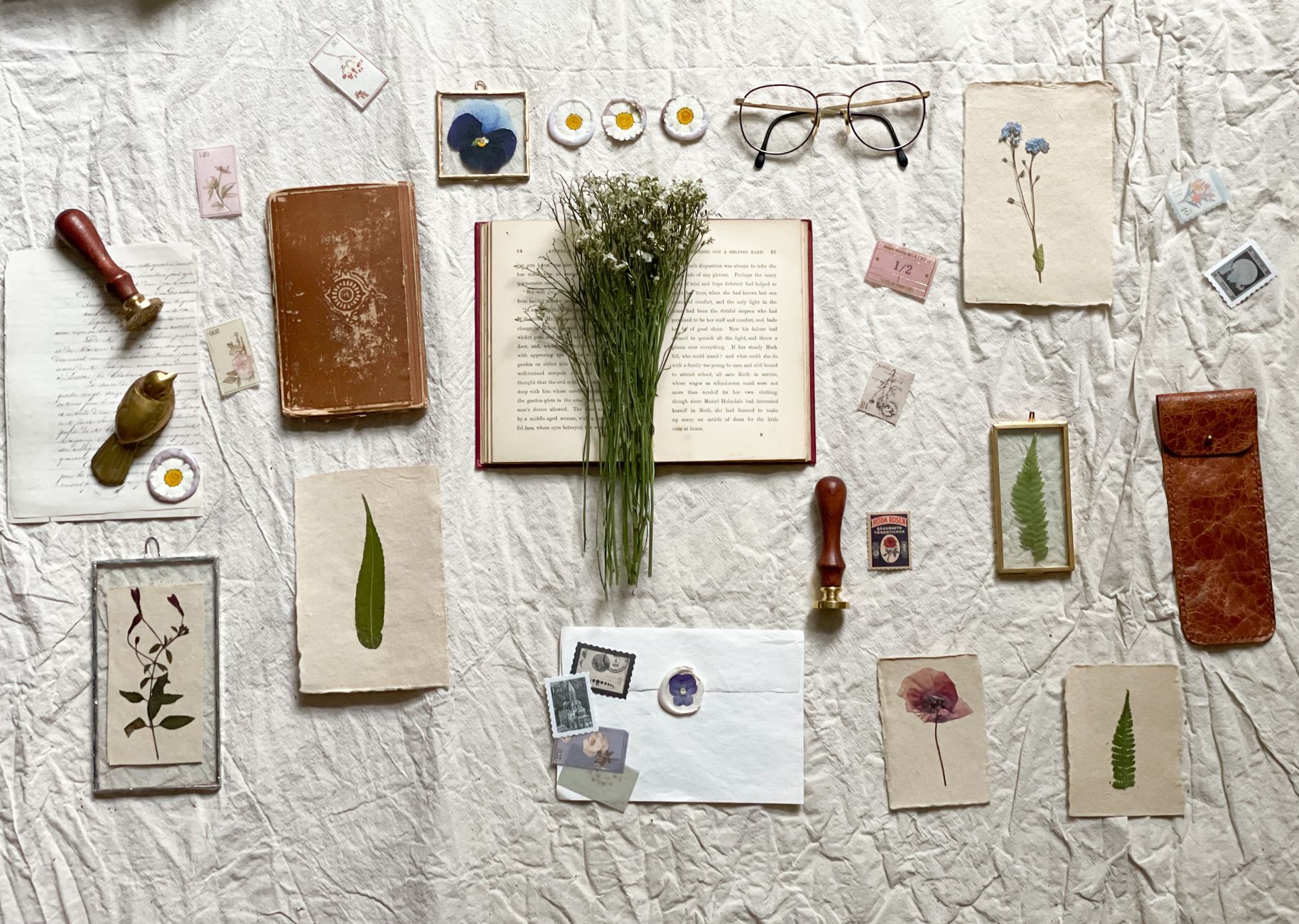
At eugeneflorist.com, we hand you a bouquet and watch your face light up like a kid who just discovered chocolate. But what if we told you those blooms come with built-in dad jokes from ancient Greece and Rome? Flower names aren’t random — they’re linguistic fossils, mostly cooked up by Greek poets, Roman gardeners, and one 18th-century Swedish nerd named Carl Linnaeus who decided everything sounds classier in Latin. (Spoiler: he was right.)
Today we’re cracking open the etymology vault for a medium-length romp through the funniest, fanciest origins of your favorite flowers. Grab a latte, because these names are older than your grandma’s “secret” cookie recipe and twice as entertaining.
🌺 The Orchid: Nature’s Original Dad Joke
Let’s start with the orchid, that exotic diva every wedding florist loves. Its name comes straight from the Greek orkhis, which literally means “testicle.” Yep. Ancient botanists took one look at the paired, bulbous roots and said, “Well, those look familiar.” The resemblance was so spot-on that early herbalists thought eating orchid tubers could, ahem, boost certain masculine energies.
Next time someone calls orchids “classy,” just smile and think: rooted in ancient anatomy class. You’re welcome.
🌼 Chrysanthemum: The Golden Child (Literally)
Chrysanthemums — those fluffy pom-poms your aunt insists on for Thanksgiving — get their name from the Greek krysanthemon: chrysos (“gold”) + anthemon (“flower”). Gold flower. Simple, elegant, and accurate, especially for the bright yellow varieties.
The same anthos root pops up everywhere in botany. An anthology? Literally a “collection of flowers” — poems as a verbal bouquet. The Greeks were out here inventing metaphors before influencers invented #FlowerTok. We covered the chrysanthemum’s 3,000-year breeding history in our flower origins article — the name is ancient, but the breeding story is just as wild.
🌬️ Anemone: Drama Queen of the Wind
Anemones, those delicate poppies that look like they’d faint in a stiff breeze, are Greek for “daughter of the wind.” Legend says the petals only open when the wind blows — Anemos, the wind god, sending his kids out as floral heralds of spring.
Modern science says they just react to light and temperature, but we prefer the dramatic version. It’s basically the ancient Greek equivalent of “my flowers need their emotional support wind.”
🌻 Daisy: The Original Early Riser
No Greek or Latin drama here — just good old English honesty. Daisy comes from Old English dægesēage, or “day’s eye.” The little white petals close at night and pop open at dawn like tiny floral alarm clocks.
It’s the most wholesome origin story in botany. While orchids were busy being anatomical, daisies were out here practicing good sleep hygiene.
🌷 Tulip: Fashion Forward from the East
Tulips didn’t get their name from looking like two lips kissing (nice try, romantics). The word traces back to Turkish tülbent and Persian dulband — both meaning “turban.” Early European traders saw the cup-shaped bloom and thought, “Hey, that looks like the fancy headgear my Ottoman buddies wear.”
Tulips caused actual economic meltdowns in 17th-century Holland (tulip mania, anyone?), all because someone said, “Those flowers look like hats.” Peak fashion. We touched on the 400-year quest for the “impossible” black tulip in our flower breeding article — tulip mania was just the beginning.
📱 Narcissus (a.k.a. Daffodil): The Original Selfie Addict
Daffodils’ proper name is narcissus, straight from Greek mythology. Handsome youth Narcissus fell madly in love with his own reflection in a pool, stared until he wasted away, and — poof! — a flower sprouted where he died. The Greeks were savage with their cautionary tales.
Bonus: the same myth gave us the word narcissism. So when your friend spends 45 minutes perfecting their flower selfie, just say they’re channeling their inner daffodil.
🌈 Iris: Rainbow Connection
Irises are named after the Greek goddess Iris, messenger of the gods and personification of the rainbow. The flower’s shimmering colors reminded ancients of her shimmering scarf bridging earth and sky.
Even the eye’s colored part is called the iris because it looks like a tiny rainbow ring. One flower, two rainbows. Efficiency goals.
💧 Hydrangea: The Thirsty One
Hydrangeas get their name from Greek hydor (“water”) + angeion (“vessel” or “jar”). Ancient observers noticed the cup-shaped seed pods looked like little water barrels — and the plant does drink like it’s training for a marathon.
Next time you’re watering your hydrangeas for the tenth time this week, just mutter, “Ancient Greeks called it.” We wrote about how hydrangea color is literally controlled by soil pH in our flower origins article — the name is about water, but the color is about dirt.
👑 Carnation: Crown or Flesh? Pick Your Vibe
Carnations have two competing stories, both delightful. One says the name is a tweak on “coronation” because the ruffled petals looked like crown fringes (or because Romans wore them in garlands). The other traces it to Latin caro (“flesh”), referencing the pink “flesh-colored” blooms.
Either way, carnations have been party flowers since emperors needed something to wear on their heads. Very on-brand.
🌹 And a Few More for the Road
The rabbit hole goes deeper than these nine. Roses trace to Latin rosa, possibly linked to Greek rhodon — scholars are still arguing over that one. Lilies come from Latin lilium via Greek leirion. Peonies are named after Paeon, the physician of the Greek gods, who used the plant to heal wounds. And baby’s breath — Gypsophila in Latin — literally means “chalk-lover,” because the plant thrives in limestone soil. We did a deep dive on that one already.
✨ Why This Matters
Knowing these stories doesn’t change how pretty the flowers are — but it does make handing someone a bouquet feel like passing along a 2,000-year-old inside joke. Next time you order roses or lilies, you can drop a fact that makes your recipient’s jaw drop harder than the vase price.
So whether you’re gifting an orchid (just don’t lead with the testicle story on a first date) or a humble daisy, remember: every stem has a story. At eugeneflorist.com, we deliver the blooms and the banter — same-day across Eugene, Springfield, and Lane County.
Happy blooming. 📜🌺💐