
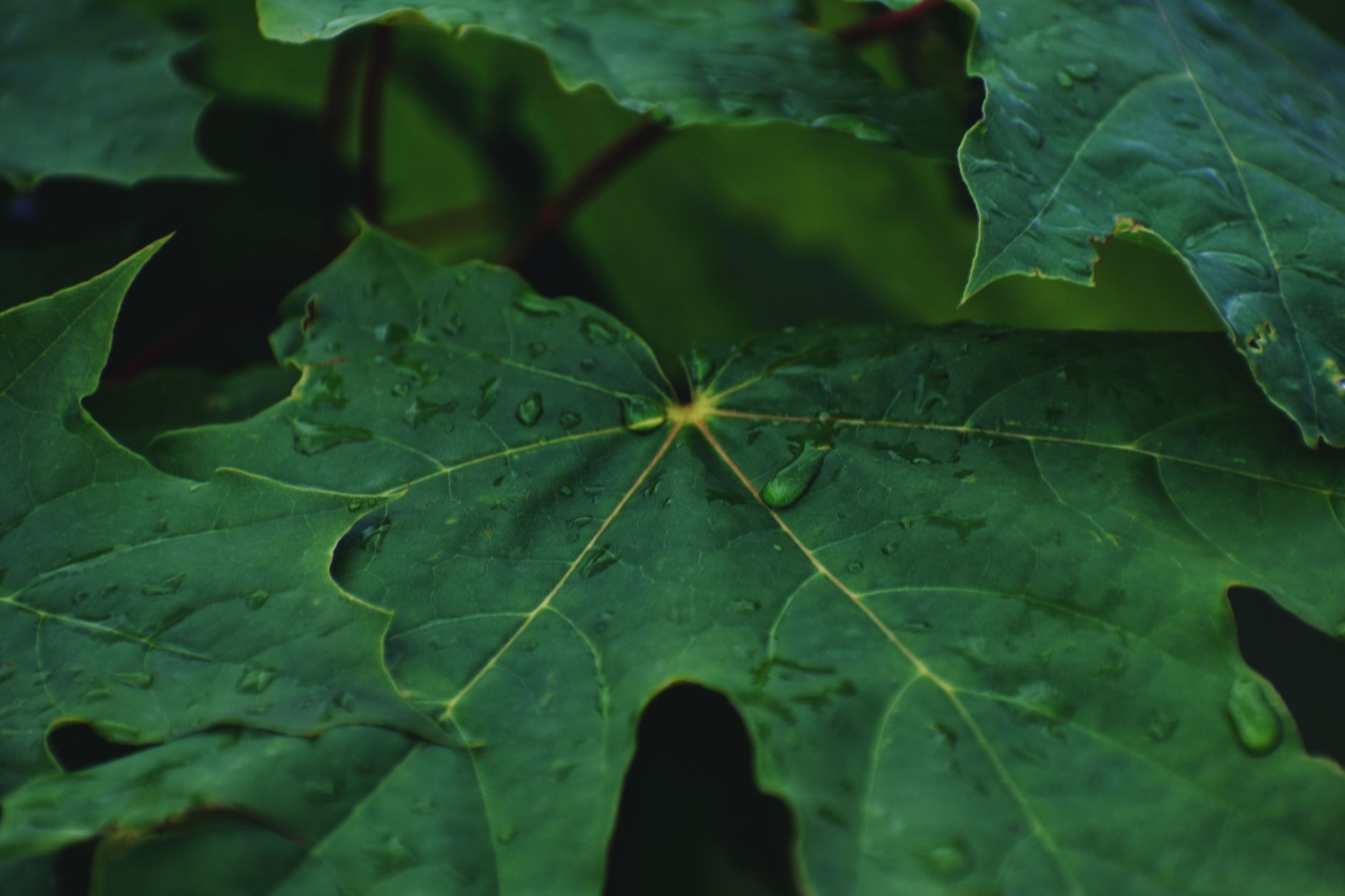
If you live in Eugene, you have had this conversation. Someone from out of state asks about the weather, and you do the thing: the slight pause, the half-shrug, the diplomatic “Well, it rains a lot in winter, but the summers are amazing.” You say it like you are selling a house with a cracked foundation but a spectacular kitchen.
Here is the truth: Eugene’s weather is genuinely strange, frequently gorgeous, occasionally maddening, and — if you are even slightly interested in flowers — absolutely perfect. The same climate that makes newcomers question their life choices in February is the reason the Willamette Valley grows some of the most spectacular flowers, bulbs, and ornamental plants on the continent. The rain is not a flaw. The rain is the engine.
At eugeneflorist.com, we work with flowers every day, and we think about weather more than most people realize. What is blooming, what is about to bloom, what just got hammered by a late frost, what is thriving because we had three unexpected days of sun in March — all of it connects to the very specific, very weird climate of this particular valley. So let’s talk about it honestly.
🌧️ The Numbers: How Much Does It Actually Rain?
Eugene gets roughly 47 inches of rain per year. That sounds like a lot, and it is — but here is the part people miss: almost all of it falls between October and May. The summer months (July, August, and most of September) are genuinely dry. Not California dry, but close. Eugene averages less than an inch of rain in July. Some Julys it does not rain at all.
Compare that to a city like New York, which gets about 50 inches per year but spreads it out evenly. Or Atlanta, which gets 52 inches with regular summer thunderstorms. Eugene’s total is not unusual — the distribution is unusual. You get a concentrated wet season and a concentrated dry season, and the transition between them is where the magic happens.
The other thing the numbers miss is intensity. Eugene rain is almost never violent. No monsoons. No deluges that flood streets in twenty minutes. It is a steady, patient, light-to-moderate rain that falls for hours or days at a time. Locals call it “the mist” or “the drizzle” or just “Tuesday.” Umbrellas are for tourists. You just get a little damp and keep going.
☁️ The Grey: Eugene’s Most Misunderstood Season
The hardest thing about Eugene weather is not the rain itself. It is the overcast. From roughly November through March, the sky is grey more days than not. Not dramatic storm grey — just a flat, featureless, low cloud layer that parks itself over the valley and stays. Some weeks it does not lift at all. The sun is technically up there somewhere, but the evidence is circumstantial.
This is the part that gets to people. The rain you can deal with. The grey is what makes you start Googling “full spectrum light therapy lamp” in January. Eugene has roughly 155 sunny days per year, which means 210 days that are cloudy or partly cloudy. December and January average about 3–4 fully clear days per month. If you moved here from Arizona, this is where the adjustment period lives.
But here is what the grey does for flowers: it keeps the soil cool, moist, and biologically active through the entire winter. Bulbs that need a cold dormancy period — tulips, daffodils, hyacinths, crocuses — get exactly the chill hours they require. Perennials rest without freezing to death. Cover crops and green manures break down slowly in the damp soil, building fertility. The grey season is not downtime for the valley. It is preparation.
🌦️ The Micro-Seasons Nobody Talks About
Eugene does not really have four seasons. It has about eight, and most of them do not have names. Here is what actually happens:
- Late September – mid-October: The last golden stretch. Warm days, cool nights, the first yellow leaves. Still feels like summer with a sweater. Dahlias are peaking. Sunflowers are finishing. The garden is doing its final act.
- Late October – November: The rains arrive. Not gradually — one week it is dry and crunchy, the next week everything is wet and the hills turn green overnight. Mushroom season begins. The air smells like wet earth and Douglas fir.
- December – January: Deep grey. Steady rain. Short days. The valley floor can get fog that does not burn off until noon, or sometimes at all. Temperatures hover in the high 30s to mid-40s. Camellias start blooming, which feels defiant and slightly miraculous.
- February: The trick month. One week it is 55° and sunny and the daffodils are popping and you think spring is here. The next week it is 38° and sideways rain and you cannot remember what the sun looks like. Crocuses and snowdrops bloom anyway. They do not care about your mood.
- March: The real shift. Days get noticeably longer. Cherry blossoms appear on campus and in older neighborhoods. The rain is still regular but warmer. The grass goes from winter green to electric green. Everything is waking up.
- April: Wildflower season. Mount Pisgah, Spencer Butte, Edgewood, and the valley prairies start putting on color. Magnolias, tulips, bleeding hearts, and azaleas are all going at once. Rain still shows up but alternates with genuinely warm, sunny days. This is when the valley earns its reputation.
- May – mid-June: The transition to dry. Rain tapers off. Roses begin. Rhododendrons peak at Hendricks Park. Iris are everywhere. The Owen Rose Garden starts its show. Late wildflowers — camas, lupine, paintbrush — are at their best in the higher meadows. This might be the most beautiful month.
- Late June – September: Summer. Dry, warm, sunny, 80s and sometimes 90s. The valley dries to golden-brown. Lavender, sunflowers, zinnias, and dahlias take over. Evenings are long and mild. Everyone forgets about the grey and falls in love with Eugene all over again.
🌡️ The Temperature Story: Mild Is the Word
Eugene rarely gets truly cold and rarely gets truly hot. The average winter low is around 34°F and the average summer high is around 82°F. Hard freezes happen a few times per winter but rarely last more than a day or two. Triple-digit heat happens maybe once or twice per summer, and the whole city talks about it like a natural disaster.
This mildness is what makes the valley such extraordinary flower-growing country. The USDA hardiness zone for Eugene is 8b, which means the average annual minimum temperature is 15–20°F. That is mild enough for camellias, many roses, hellebores, and broad-leafed evergreens to survive winter. It is cool enough for bulbs and peonies to get their required chill. And the summer warmth — without the brutal humidity of the Southeast or the scorching dryness of the inland West — is ideal for growing roses, lilies, dahlias, and cut flowers of almost every kind.
The Willamette Valley is one of the top flower-bulb growing regions in the world. That is not marketing. It is climate.
🌫️ The Fog, the Wind, and the Sneaky Late Frost
Three weather quirks that Eugene residents learn the hard way:
Valley fog. Eugene sits in the broad, flat floor of the Willamette Valley, surrounded by hills on three sides. In winter, when cold air settles into the valley under a high-pressure system, fog can form and persist for days. This is “inversion fog” — the air above is actually warmer than the air at ground level. It is not dangerous, but it is disorienting. You can drive 20 minutes up to Spencer Butte or the ridgeline and break into brilliant sunshine while the valley below is a sea of white. It is one of the most stunning sights in Oregon, and it happens several times every winter.
Wind. Eugene is not a particularly windy city, but spring can bring gusty south winds that funnel through the valley. These are the same storms that blow in from the coast and bring the rain. Occasionally a strong winter storm will bring 40–50 mph gusts that knock branches down, rearrange patio furniture, and remind you that the Cascades and the Coast Range are funneling weather through this corridor. For gardeners and flower growers, wind is the main reason tall plants need staking — a six-foot dahlia in an unprotected Eugene yard will eventually meet a gust that tests its character.
Late frost. This is the one that gets gardeners every year. Eugene’s average last frost date is around April 15, but frosts have been recorded as late as early May. That warm week in March that made you plant your tomatoes early? The frost two weeks later was the valley’s way of saying “not yet.” Experienced gardeners wait until Mother’s Day to plant tender annuals. The late frost is why professional growers use row covers and hoop houses, and why the flowers you get from a local florist in April are either cold-hardy varieties or greenhouse-grown with real infrastructure behind them.
🌺 Why the Weather Grows the Best Flowers
Put it all together and you get a climate that is almost engineered for growing beautiful things:
- Mild winters that keep perennials alive without coddling them
- Adequate chill hours for bulbs, peonies, and fruit trees
- Reliable rainfall that keeps the water table high and the soil moist through spring
- Cool, wet springs that let flowers develop slowly, building stronger stems and deeper color
- Warm, dry summers that bring heat-loving blooms without the humidity that invites disease
- Long summer daylight — Eugene is at 44°N latitude, which means more than 15 hours of daylight at the solstice, giving flowers more growing time per day than farms further south
- Rich valley soil built by millennia of seasonal flooding, volcanic deposits from the Cascades, and the slow organic breakdown that the wet climate supports
This is why the Willamette Valley produces tulip bulbs, lily bulbs, iris rhizomes, grass seed, and cut flowers at commercial scale. It is why Hendricks Park’s rhododendrons look the way they do. It is why the Owen Rose Garden grows 400+ varieties in open ground without irrigation for half the year. The weather you complain about in February is the weather that makes all of it possible.
☔ Stop Apologizing for the Rain
Every Eugene resident has an out-of-town guest who arrives in November and looks at the sky like someone just cancelled Christmas. And every Eugene resident does the same thing: apologize, explain, promise that summer is different, change the subject.
Stop. The rain is not a problem to explain away. The rain is the reason the valley is green when everywhere else is brown. It is the reason the rivers run clean. It is the reason the wildflowers at Mount Pisgah look the way they do in April. It is the reason a florist in Eugene can work with locally grown blooms that rival anything coming out of Colombia or the Netherlands.
The grey is real. The seasonal mood shift is real. The vitamin D supplements are a legitimate investment. But the trade-off is living in a place where the natural world puts on a show every single spring that most cities cannot touch — and where the flowers, when they come, come with a kind of earned intensity that only happens after a long, patient, rainy wait.
Browse our arrangements, plants, and gifts. Same-day delivery across Eugene, Springfield, and Lane County — rain or shine. 🌦️