People ask versions of this question all the time, and it makes sense: if fertilizer helps flowers grow, shouldn’t it also help cut flowers last longer? It sounds logical. But once flowers have been cut from the plant, the situation changes dramatically. A rose in a vase is not functioning like a rosebush in the ground, and a tulip on your table is no longer part of the living root-and-leaf system that normally feeds it.
So the short answer is this: you generally do not fertilize cut flowers the same way you fertilize growing flowers. In fact, standard plant fertilizer is usually the wrong thing to put in a vase. What cut flowers need is not really “fertilizer” in the garden sense. What they need is a cleaner, more controlled support system: water, sanitation, stem access to that water, and in many cases a proper flower food solution made specifically for cut stems.
That distinction matters. At eugeneflorist.com, we spend a lot of time thinking about flower performance after cutting — especially because Eugene, Springfield, and the Willamette Valley have plenty of flower lovers who also garden. It is easy to cross the two ideas. But cut-flower care and plant fertilization are related only in a broad botanical sense. In practice, they are different jobs.
💧 First: Why Cut Flowers Are Not the Same as Growing Plants
Once a flower stem is cut, it is separated from the root system that normally delivers water and nutrients from the soil. The stem can still drink water through its cut end, and the flower can continue opening or holding for a while because it still has stored energy in its tissues. But it is no longer a fully functioning plant in the way a rooted garden flower is.
That means cut flowers have a much narrower set of needs:
- clean water uptake
- reduced bacterial growth
- a little accessible sugar support in many cases
- cooler, stable conditions
- good stem preparation
They do not need a full nutrient program with nitrogen, phosphorus, potassium, micronutrients, root-zone support, and ongoing soil biology. They are in a very different stage of life. At that point, the florist’s goal is not to make them keep growing indefinitely. The goal is to slow decline and preserve quality for as long as reasonably possible.
❌ So Can You Use Regular Plant Fertilizer in a Vase?
In most cases, no — you should not use ordinary plant fertilizer in vase water for cut flowers. Standard liquid or granular fertilizer is formulated for plants that still have roots and are actively growing in soil or potting mix. In a vase, that kind of fertilizer usually does not solve the actual problems cut flowers face.
It can even make things worse. Why?
- It may encourage microbial growth in dirty vase water.
- It can change the water chemistry in ways that are not helpful for cut stems.
- It does not address the more urgent issue of keeping the stem vessels open and clean.
- It may provide nutrients the flower cannot really use well once cut.
A cut arrangement is not a potted annual waiting for a feeding schedule. It is a temporary, managed floral display. That is why florists rely on cut-flower food, not general fertilizer.
🧪 What Flower Food Actually Is
Commercial flower food is sometimes casually described as fertilizer, but that is only partly true and not the most useful way to think about it. A proper cut-flower preservative typically does several jobs at once:
- a sugar source to help support bloom opening and short-term energy needs
- an acidifier to help water move more efficiently through the stem
- an antimicrobial component to reduce bacterial growth in the water
That is very different from standard garden fertilizer. Flower food is less about feeding long-term plant growth and more about helping the cut stem stay hydrated and presentable. It is a preservation formula, not a full nutritional plan.
So if someone asks, “Can you fertilize cut flowers?” the best practical answer is: use cut-flower food, not ordinary fertilizer.
🌼 What If You Do Not Have Flower Food?
If you do not have a commercial packet, plain clean water is still better than improvising with random fertilizer products. Fresh water, a clean vase, and a stem recut will do far more good than trying to force a houseplant fertilizer into the situation.
Some homemade flower-food recipes circulate constantly online. Some are reasonable in small, careful proportions. Some are chaotic. In general, if you are not sure what you are doing, plain water changed regularly is safer than treating your arrangement like a chemistry experiment from the back corner of the internet.
The basics still matter most:
- start with a clean vase
- re-cut stems with a clean blade
- remove leaves below the waterline
- change water regularly
- keep flowers away from heat, direct sun, and ripening fruit
That routine consistently outperforms a lot of “secret hacks.”
🌹 Are There Any Cut Flowers That Need Special Feeding?
Not in the sense of needing a true fertilizer schedule. Some cut flowers are simply more sensitive than others and may benefit more noticeably from proper preservative solutions, hydration treatment, or specific handling methods. Roses, lilies, tulips, hydrangeas, stock, and mixed spring flowers all have their own quirks. But even then, the solution is still usually proper cut-flower care, not general fertilizing.
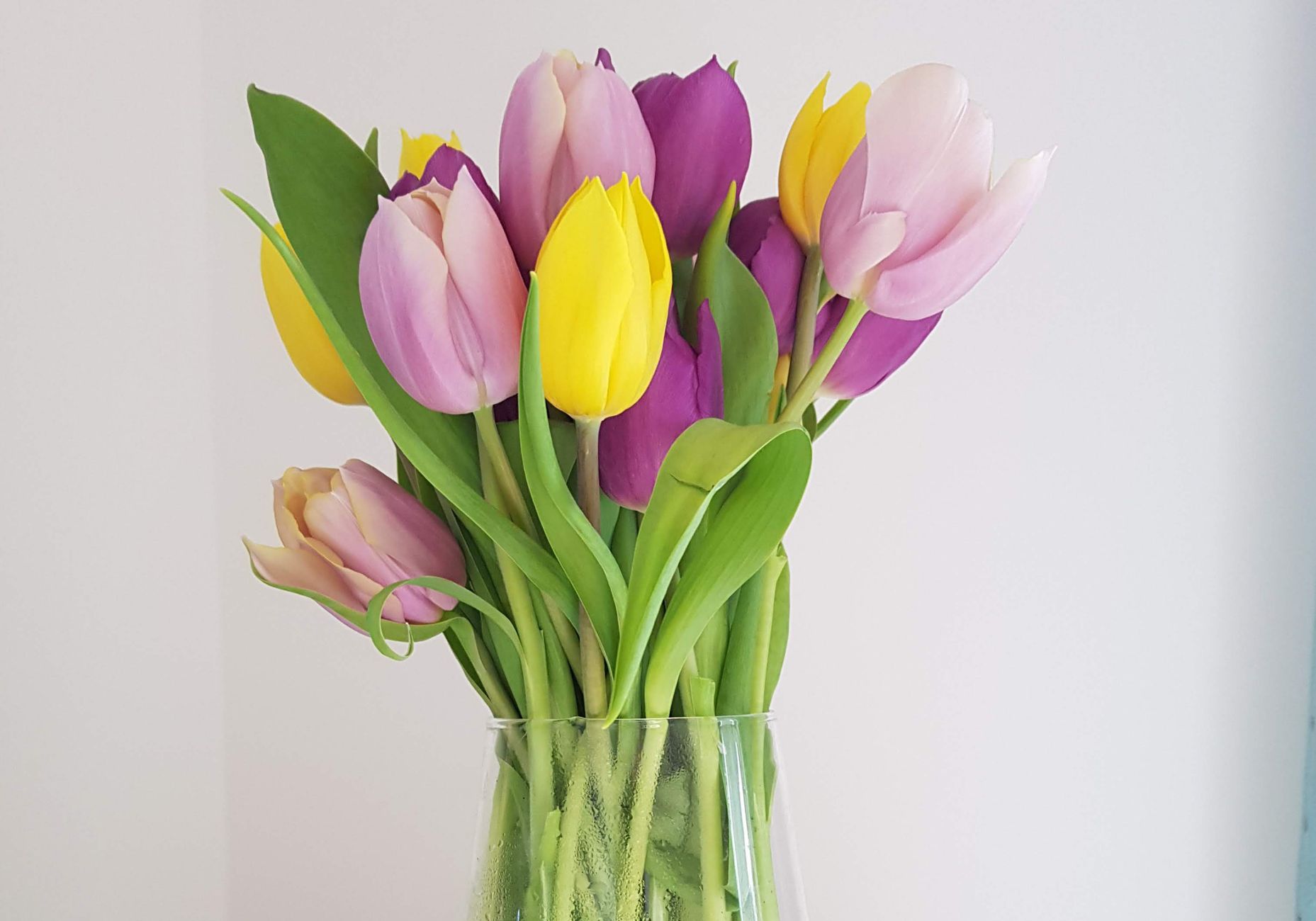
Hydrangeas, for example, are notorious for dramatic wilt, but the answer is usually about water access and conditioning, not fertilizer. Tulips keep growing and bending after cutting, but again, that is a handling and hydration issue. Roses often benefit from clean water and stem care, not a root-zone nutrient profile they no longer have access to anyway.
🌱 If You Mean Growing Flowers, Then Yes — Fertilizer Matters a Lot
Now we get to the second half of the question, which is equally important. If your flowers are still growing in the ground, in raised beds, or in containers, then yes: fertilizer can matter quite a bit. Once the plant still has roots, leaves, and active growth, it can actually use nutrients to build stems, buds, blooms, foliage, and root mass.
At that point, the question is no longer “How do I preserve a cut stem?” It becomes: what kind of flowering plant is this, what stage is it in, and what nutrient balance does it respond to best?
🌿 What Nutrients Growing Flowers Usually Need
Most fertilizers are summarized by their N-P-K ratio:
- Nitrogen (N) supports leafy green growth.
- Phosphorus (P) supports roots, buds, and flowering processes.
- Potassium (K) supports general plant vigor, stress tolerance, and overall function.
Growing flowers usually like a fertilizer approach that does not overdo nitrogen. Too much nitrogen can produce lots of leafy growth and not enough bloom. That is why many flowering plants do better with a balanced fertilizer or one that is slightly bloom-oriented rather than heavily lawn-like in its nitrogen emphasis.
Depending on the plant, people often use:
- balanced fertilizers for general feeding
- bloom fertilizers that are not excessively high in nitrogen
- slow-release fertilizers for containers and longer-term feeding
- compost and organic amendments to improve soil health over time
🌺 What Different Growing Flowers Tend to Like
There is no one universal formula for every flowering plant, but a few broad patterns are useful.
Annual bedding flowers like petunias, calibrachoa, impatiens, geraniums, marigolds, and million bells often appreciate regular feeding, especially in containers where nutrients wash out quickly. These plants bloom hard and can be surprisingly hungry over a season.
Roses usually like steady, measured feeding during active growth, especially in spring and early summer. They often respond well to rose-specific fertilizers or balanced flowering-plant fertilizers along with healthy soil and consistent watering.
Perennials often need less aggressive feeding than people think. Many do best with good soil structure, compost, and modest fertilization rather than constant nutrient pushing. Overfeeding can actually make some perennials floppy or overly leafy.
Bulbs such as tulips and daffodils are a different story again. Their feeding strategy is tied to bulb health and the plant’s post-bloom recovery cycle more than to dumping fertilizer at random in the middle of bloom season.
Container flowers usually need the most attention because watering leaches nutrients quickly. In Eugene and Springfield, where spring and summer container displays are popular, regular but not excessive feeding often gives the best results.
📍 Growing Flowers in Eugene and the Willamette Valley
Here in the Eugene area, fertilizing practices also need to make sense for our local growing conditions. The Willamette Valley gives gardeners a lot to work with, but it also comes with wet-season realities, spring soil variability, and occasional summer dry spells that affect how plants take up nutrients.
A few practical local considerations:
- do not fertilize blindly into saturated cold soil and expect magic
- improve soil first if structure and drainage are poor
- container flowers often need more regular feeding than in-ground plantings
- mulch and consistent watering help plants use nutrients more effectively
- overfeeding is real, especially when gardeners get enthusiastic in spring
Healthy growth is usually about balance, not maximum input. Flowers do better when soil, water, light, and nutrition are all working together.
🚫 What Not to Do
A few common mistakes are worth avoiding:
- do not put regular houseplant or garden fertilizer in a vase of cut flowers
- do not assume more fertilizer means more flowers
- do not feed stressed, bone-dry, or root-damaged plants aggressively
- do not ignore label rates, especially in containers
- do not confuse preservation with growth — cut flowers and rooted plants are different care categories
That last point is the big one. It clears up most of the confusion right away.
✨ The Bottom Line
So, can you fertilize cut flowers? Not really in the normal gardening sense, and you generally should not use ordinary plant fertilizer in a vase. What helps cut flowers is clean water, stem care, and proper cut-flower food designed to support hydration, reduce bacteria, and provide a limited preservative benefit.
If the flowers are still growing, though, that is a different story. Rooted flowering plants can absolutely benefit from thoughtful fertilization, usually with balanced or bloom-friendly feeding that fits the plant type, soil condition, container situation, and season.
At eugeneflorist.com, we love both sides of flower care: helping cut flowers last beautifully indoors and helping people understand what living flowering plants actually need outdoors. They are related questions — but they are not the same question. And knowing the difference is what keeps flowers looking a whole lot better, whether they are on your table or still growing in the garden. 🌸