
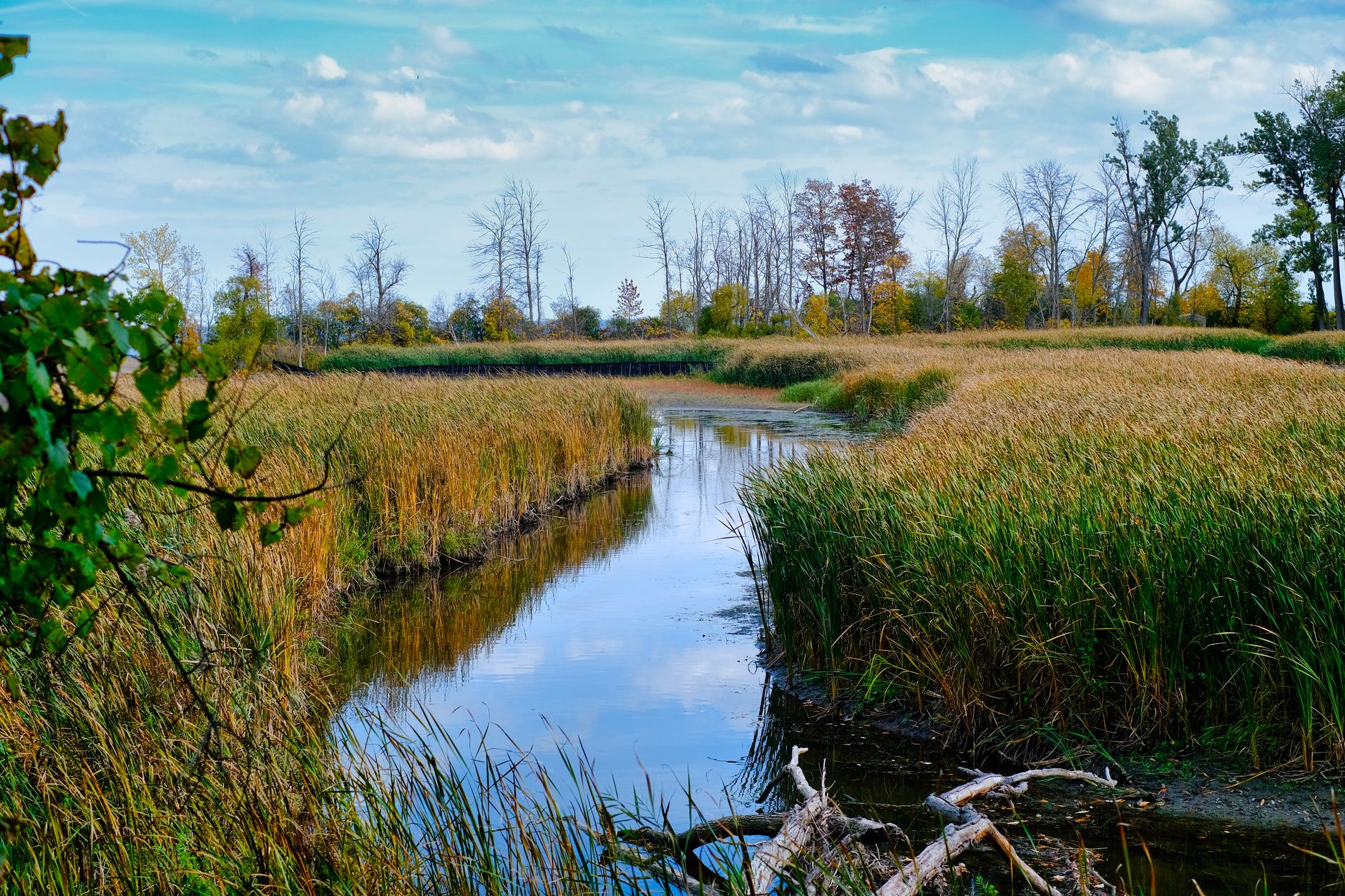
If you live in Eugene, you have almost certainly crossed Amazon Creek many times without always thinking about it. It threads through the city in a way that can feel surprisingly quiet for such an important local waterway. In some places it looks natural and leafy. In others it looks engineered, practical, and unmistakably urban. But whether you know it from the paths near Amazon Park, the broad channel west of town, or the neighborhoods and roads that run alongside it, Amazon Creek is one of the defining landscape features of Eugene.
For a florist, a gardener, or anyone who notices seasonal color, Amazon Creek is also interesting for another reason: its banks and adjacent parklands can offer glimpses of native plants, spring bloom, riparian greenery, and pockets of habitat right inside the city. So if you have ever wondered how big Amazon Creek is, where it goes, how it fits into Eugene history, and whether there are places to enjoy flowers nearby, here is a practical and informative local overview.
📏 How Big Is Amazon Creek?
Amazon Creek is not one of Oregon’s giant rivers, but it is a significant urban tributary system in the southern Willamette Valley. The creek and its branches drain a substantial part of the Eugene area, especially south and west portions of the city. Depending on how one measures the main stem versus the broader drainage network, Amazon Creek is generally understood as a creek system extending from the hills and urbanized areas around south Eugene through the city and westward toward the Willamette system.
Its watershed is much bigger than the casual eye might assume when standing next to one section of channel. That matters because Amazon Creek has long had a dual identity: part natural stream corridor, part drainage and flood-management system. In heavy rain, it is not just a scenic creek. It is part of the infrastructure that helps move water across and out of Eugene’s developed landscape.
In physical appearance, Amazon Creek varies a lot from one segment to another. Some stretches are narrower and more park-like, especially where trails, trees, and adjacent green spaces soften the view. Other stretches are highly modified, with straighter channels, levees, broad embankments, or concrete and engineered edges. So the better way to think about its size is not just width or depth on a given day, but regional importance: this is one of Eugene’s major local waterways, with a drainage role far larger than its name might suggest to a first-time visitor.
🧭 Where Does Amazon Creek Go?
Amazon Creek begins conceptually in the south Eugene drainage area, including places historically tied to wetlands, springs, smaller tributaries, and runoff descending from the south hills. As it moves through Eugene, it passes through and near familiar local zones associated with Amazon Park, the Amazon pathway area, and lower-elevation urban corridors. From there, it continues westward across Eugene.
Eventually, Amazon Creek flows toward the larger river system through a heavily managed route. The lower reaches connect into the broader hydrologic network that leads toward the Long Tom River, which in turn joins the Willamette River. In simple terms, rain and creek water gathered in this part of Eugene do not just disappear into a ditch; they move through a connected basin system that links the city to the wider Willamette Valley watershed.
One reason the route can seem confusing is that modern Amazon Creek is inseparable from flood-control works, drainage modifications, and urban engineering. Over time, channels were reshaped to reduce flooding and improve stormwater movement through developed areas. So when people ask, “Where does Amazon Creek go?” the honest answer is both geographic and infrastructural: it travels west through Eugene and then onward through managed downstream channels toward the Long Tom and ultimately the Willamette system.
🌍 Before Eugene: Indigenous History and the Amazon Area
Long before Eugene was a city, the lands around Amazon Creek were part of the homeland of Native peoples of the southern Willamette Valley, especially the Kalapuya, including local bands whose lives were deeply connected to prairie, wetland, oak savanna, seasonal burning, camas fields, waterways, and wildlife movement across the valley floor.
To understand Amazon Creek historically, it helps to remember that much of the Willamette Valley looked very different before intensive Euro-American settlement. Large areas were not the fully built-out street grid people know today. They included wet prairies, marshy lowlands, seasonal flood zones, and rich ecological mosaics maintained in part through Indigenous land stewardship practices. Waterways like Amazon Creek were woven into that living system.
For Native communities, these landscapes were not “empty” or unused. They were managed homelands with food plants, travel routes, hunting grounds, and culturally important ecological knowledge. Creek-adjacent habitats and wetter zones would have supported a diversity of plant life, birds, amphibians, and seasonal resources. In the broader valley, species such as camas were especially important, and the open character of prairie and savanna landscapes was shaped in part through intentional Indigenous burning.
Any discussion of Amazon Creek and Eugene history should therefore begin with that truth: the creek existed within an Indigenous cultural landscape long before it became an urban drainage feature. The later history of settlement, land claiming, channelization, and city-building came on top of that earlier world, often disrupting or replacing it.
🏡 Settlers, Wet Ground, and the Making of Modern Eugene
When Euro-American settlers established themselves in the Eugene area in the nineteenth century, they encountered a valley environment that was fertile but also wet, seasonally muddy, and not always easy to tame. Lowlands associated with streams and drainageways could flood, pond, or turn marshy in winter and spring. What later became desirable neighborhoods, roads, school grounds, and commercial districts often required substantial alteration to become the developed cityscape people know now.
Amazon Creek was part of that story. As settlement expanded, local priorities increasingly focused on drainage, flood control, agricultural utility, transportation, and buildable land. Wet places that had once functioned as habitat or seasonal overflow areas were often viewed by settlers as obstacles to development or farming. Across Oregon and the American West, that mindset led to straightening channels, digging ditches, filling wetlands, and trying to make water move faster through the landscape.
Eugene followed that broader pattern. Over time, portions of the Amazon system were modified to serve the growing city. That helped protect streets, homes, and businesses, but it also reduced some of the meandering, marshy, ecologically rich qualities that creeks naturally tend to have. In other words, Amazon Creek became more controlled and less wild as Eugene urbanized.
That history does not make the creek unimportant today — quite the opposite. It makes Amazon Creek a revealing example of how western cities evolved: first by settling near water, then by reshaping that water, and finally by trying in modern times to restore at least some ecological function and public appreciation after decades of hard engineering.
🌧️ Why Amazon Creek Matters So Much During Rainy Season
Anyone who has lived through enough Eugene winters knows that water management here is not theoretical. Heavy rain is part of life. Amazon Creek matters because it helps collect and convey stormwater across a developed urban area where pavement, rooftops, parking lots, and streets all change how quickly runoff moves.
That flood-control role is one reason some parts of the creek look more like a large channel than a storybook stream. The system has to handle real runoff. In a city with low-lying areas, that can make the difference between manageable winter weather and recurring flood headaches.
At the same time, modern urban planning increasingly recognizes that a creek can be both functional and more ecologically friendly. Greenways, plantings, habitat improvements, and public paths help residents reconnect with waterways that earlier generations may have treated mostly as drainage problems. Amazon Creek sits right in that tension between engineered necessity and environmental opportunity.
🌿 Can You See Flowers Along Amazon Creek?
Yes — but with the right expectations. Amazon Creek is not a formal botanical garden, and not every stretch is especially scenic. Some segments are all about infrastructure. But there are worthwhile opportunities to see flowers, flowering shrubs, wetland-edge plants, and seasonal bloom nearby, especially in spring and early summer.
The best flower-viewing tends to happen where the creek corridor overlaps with parks, multi-use paths, restored vegetation, and less industrial-feeling edges. Depending on exact timing and maintenance patterns, visitors may notice native and ornamental bloom in the surrounding landscape rather than dramatic uninterrupted wildflower displays right at the water’s edge.
In and around the Amazon corridor, you may see things like:
- Native camas relatives and other spring meadow bloom in nearby naturalized areas, depending on site conditions
- Flowering shrubs in landscaped park sections and neighborhood greenways
- Riparian wildflowers and small seasonal blooms tucked among grasses and creekside vegetation
- Wetland-associated plants that add texture, color, and habitat value even when they are subtler than showy garden flowers
- Ornamental plantings near paths, bridges, and public-use areas that brighten the corridor
For flower lovers, Amazon Creek is often best appreciated not as a single postcard-perfect bloom destination, but as a layered urban nature corridor where water, trees, native ecology, and seasonal color all come together in small, rewarding moments.
🚶 Good Places to Explore the Amazon Creek Corridor
If your goal is to experience Amazon Creek in a pleasant, flower-friendly way, a few types of locations stand out.
Amazon Park and the Amazon Path corridor are the most obvious starting points. These areas give you a more approachable, people-friendly relationship with the creek environment. Walking or biking here lets you notice trees, habitat edges, changing seasons, and planted areas without feeling like you are inspecting drainage infrastructure.
Nearby neighborhood green spaces and path connections can also be rewarding, especially in spring when Eugene is fresh, green, and blooming more generally. Sometimes the best floral experience is not standing directly over the creek, but moving through the broader corridor landscape where park plantings, yards, edges, and naturalized pockets all contribute to the effect.
West Eugene natural areas can be especially interesting for people who want to think about what lower, wetter landscapes historically looked like. Not every site is a straight Amazon Creek viewing stop, but the broader west Eugene wetland context helps make sense of the creek’s ecological story. In the right season, these areas can offer richer native plant interest than the more engineered central-city sections.
If flowers are your main goal, try visiting on a mild day from late March through June, when moisture and lengthening daylight make Eugene look especially alive. Bring patience and an observant eye. The floral rewards around waterways are often subtle: a blooming shrub here, a patch of spring color there, fresh willow growth, or a surprising cluster of flowers beside a path you have walked many times before.
🌼 What Kinds of Flowers or Bloom Might You Notice?
Because the Amazon Creek corridor includes a mix of maintained parkland, riparian vegetation, and nearby open spaces, bloom can vary a lot by segment and season. You are more likely to encounter a changing sequence of color than one single headline flower event.
Early spring may bring flowering trees and shrubs in adjacent parks and neighborhoods. Mid-spring can reveal meadow-edge and wet-ground bloom, plus fresh understory color. Later spring into early summer often brings the lushest overall visual effect, when everything around the creek feels fully leafed out and vibrant.
For locals already interested in native plants, Amazon Creek also works as a reminder to explore nearby Eugene-area flower hotspots such as Mount Pisgah, West Eugene wetlands preserves, and southern Willamette Valley prairie remnants. The creek corridor itself is part of the same broader ecological conversation, even when the showiest wildflower displays happen elsewhere.
📚 The Big Picture: A Creek That Tells the Story of Eugene
Amazon Creek is one of those places that starts to get more interesting the moment you stop expecting a simple answer. Is it a natural creek? Yes. Is it also a heavily modified urban drainage corridor? Also yes. Is it historically important? Absolutely. Does it tell a story about Indigenous homelands, settler land conversion, flood control, and modern urban ecology? Very much so.
That complexity is exactly what makes it worth paying attention to. Amazon Creek shows how Eugene grew, what the city changed, and what still survives in the form of water, habitat, and seasonal beauty. It also reminds us that even engineered landscapes can still carry memory, function, and a surprising amount of life.
And for flower people, that is part of the charm. You may not visit Amazon Creek expecting a riot of formal garden beds, but you can absolutely come away with something better: a fuller sense of Eugene as a place where waterways, wetlands, native history, spring growth, and everyday beauty are all connected.
At eugeneflorist.com, we love that side of Eugene — the part where local nature and local life overlap. Amazon Creek is not just where water goes. It is part of the city’s story, and in the right season, it is one more place to notice that Lane County knows how to bloom.